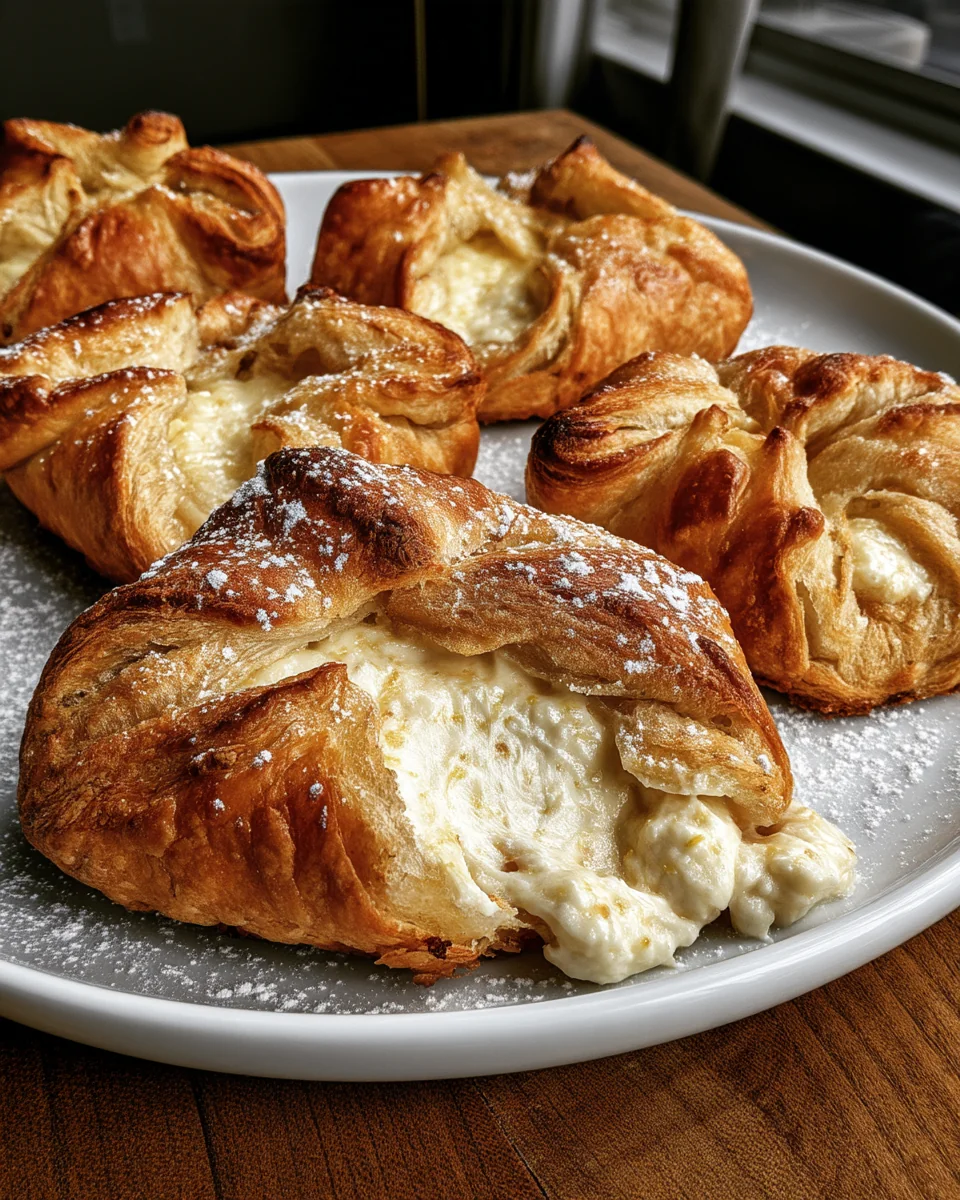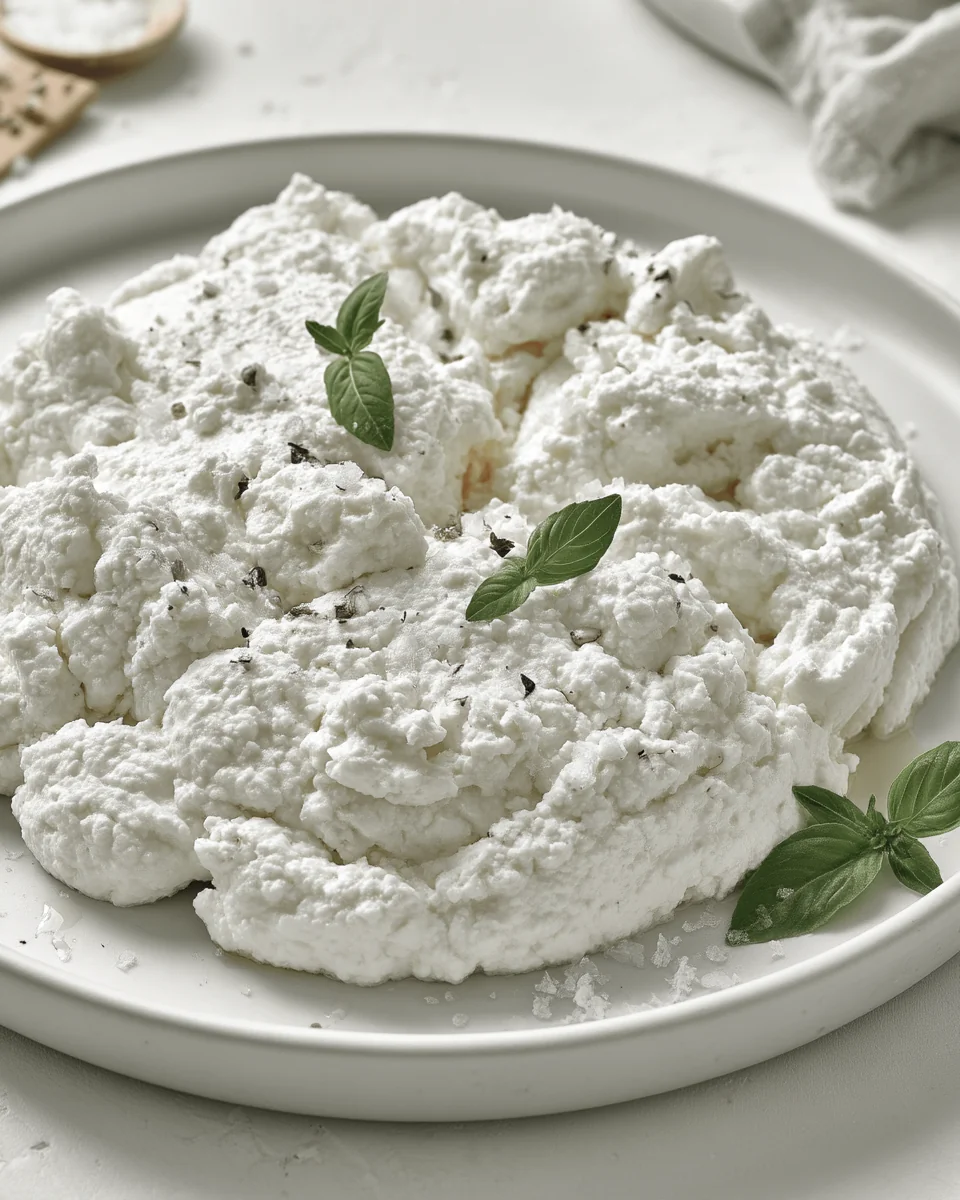
Homemade Raw Milk Ricotta Cheese is an incredibly creamy, slightly grainy cheese that can be enjoyed plain or seasoned. It's perfect for dolloping on toasted bread, or blending into pasta dishes. This cheese is surprisingly quick to make, coming together in just about 25 minutes, making it an ideal choice for a spontaneous gathering or a comforting dinner.
The key to this ricotta’s success lies in the technique: consistently heat the raw milk to 200°F (93°C). This prevents scorching, ensuring an even curd formation, which is often a challenge in homemade ricotta. If the temperature fluctuates too much, you risk grainy or burnt curds. Stick with this method for a smooth, glorious result.
Why You'll Love This Recipe
- Simple and Quick — In just 25 minutes, you have fresh ricotta ready to enjoy.
- Raw Milk Benefits — Using raw whole milk contributes a richer flavor and creamier texture compared to pasteurized milk.
- No Fancy Equipment — All you need is a heavy bottom pot and cheesecloth. No mixers or complicated tools required.
- Customizable Flavor — Once you’ve got the basics down, you can easily add herbs or spices to suit your taste.
- Minimal Waste — The whey left over can be used in other recipes, making this a sustainable choice.
Ingredients & Substitutions
Serves 2 cups
For the Ricotta
- 1 gallon raw whole milk — provides the best flavor and smooth texture. Regular pasteurized whole milk can be used, but it may yield a different texture.
- 6 tablespoons apple cider vinegar — helps to curdle the milk; lemon juice is a workable substitute but imparts a different flavor.
- 1-2 teaspoons sea salt — enhances the taste of the ricotta; kosher salt is a suitable alternative, but table salt can make it overly salty.
How to Make Homemade Raw Milk Ricotta Cheese
Step 1: Prepare the Milk
- Begin by shaking or stirring the raw whole milk thoroughly. This ensures that the cream is evenly distributed throughout the milk for consistent results.
- Pour 1 gallon of the milk into a 5-6 quart heavy bottom pot.
Step 2: Heat the Milk
- Place the pot over medium heat. Stir continuously to prevent the milk from scorching and ensure even heating.
- Monitor the temperature until it reaches 200°F (93°C). The milk should steam lightly and show small bubbles forming around the edges, but it should not boil.
Step 3: Add the Vinegar
- Once the milk reaches 200°F, promptly remove the pot from the heat.
- Stir in the 6 tablespoons of apple cider vinegar. This addition will initiate the curdling process.
Step 4: Let it Rest
- Cover the pot with a lid and let it sit for 10 minutes. This resting period allows the curds to form properly, separating from the whey.
Step 5: Check the Curds
- After 10 minutes, carefully remove the lid. Use a slotted spoon to gently stir the mixture; you’ll see small solid grains (curds) floating in the yellow liquid (whey).
- If the curds aren’t visible yet, let it sit for a few more minutes.
Step 6: Strain the Curds
- Line a strainer with cheesecloth and place it over a large bowl. Pour the curdled mixture into the cheesecloth.
- Allow the whey to drain into the bowl below for about 5 minutes.
Step 7: Gather and Drain
- Gather the ends of the cheesecloth into a pouch and hang it over the bowl or place it back in the strainer to continue draining for another 5 minutes. This will help you achieve the desired texture.
Step 8: Flavor and Store
- Transfer the ricotta to a bowl, adding 1-2 teaspoons of sea salt to taste. Stir gently to combine.
- Store the ricotta in an airtight container in the refrigerator for up to 7 days, ensuring you keep the creamy texture intact.
How to Serve Homemade Raw Milk Ricotta Cheese
Homemade raw milk ricotta cheese is creamy and versatile, fitting for a variety of occasions. You can enjoy it on its own, in savory dishes, or even sweet preparations. Here are some serving ideas and complementary dishes that pair perfectly with this delicious cheese.
Serving Ideas
- Serve warm — For a creamy texture and rich flavor, warm the ricotta gently on the stove for 5 minutes. This enhances its taste and makes it more spreadable.
- Plating choice matters — Use a shallow bowl to showcase the ricotta's texture and make it easy to scoop. A rustic wooden board adds charm for informal gatherings.
- Ideal portion size — Serve about 1/2 cup per person as a generous appetizer. This size holds its shape well on the plate and looks inviting.
- Occasional fit — Serve during brunch or casual dinners. The light richness of ricotta complements many meal types, making it a versatile choice.
What to Serve Alongside
- Fresh herbs — A sprinkle of chopped basil or chives adds bright flavor and freshness, balancing the creamy texture of the ricotta.
- Honey drizzle — Pairs wonderfully with the cheese's mild taste. The sweetness contrasts nicely, creating a harmonious bite.
- Roasted vegetables — Earthy flavors from veggies like zucchini and bell peppers bring a satisfying crunch and enhance the dish’s overall profile.
- Crusty bread — The chewiness of a fresh baguette or sourdough contrasts with the soft texture, making for excellent dipping.
- Fruit preserves — A spoonful of fig or cherry preserves introduces a sweet, tart flavor that perfectly complements the cheese’s richness.
- Salty crackers — These add a delightful crunch and a savory note, making it a great choice for snacking or entertaining.
 Pin it
Tips for the Best Homemade Raw Milk Ricotta Cheese
Making homemade raw milk ricotta cheese is satisfying but can be tricky. Here are valuable tips to ensure your ricotta turns out perfect every time.
- Use a heavy bottom pot — This prevents scorching while heating the milk, ensuring even temperature distribution. A sturdy pot minimizes the risk of curdling too quickly or burning the milk.
- Check the milk temperature — Invest in a kitchen thermometer. The milk should reach exactly 200°F (93°C) to create the perfect curds. A simple simmer is necessary but avoid boiling; otherwise, you risk rubbery curds.
- Let curds rest — After adding vinegar, cover the pot and let it sit for 10 minutes. This resting period allows curds to form nicely, resulting in better texture.
- Visual cue for readiness — Look for small solid grains. If you don’t see them separating from the whey, the milk hasn't properly coagulated, indicating a need for a higher temperature or more time.
- Avoid over-draining — When hanging the cheesecloth, let it drain only for 10-15 minutes. Draining too long will cause the cheese to become crumbly instead of creamy.
- Taste as you salt — Start with 1 teaspoon of sea salt and adjust to your preference. Salting too early or too much can change the flavor profile significantly.
- Store properly — Place the ricotta in an airtight container and refrigerate. Using this method, the cheese maintains its flavor and texture for up to 7 days, so you don’t have to rush through it.
How to Store Homemade Raw Milk Ricotta Cheese
The best way to keep your Homemade Raw Milk Ricotta Cheese is in the refrigerator. This ensures that it maintains flavor and texture for up to 7 days.
Refrigerator
- Store in an airtight container to prevent drying out.
- The ricotta will last for up to 7 days when kept cold.
- It has gone bad if you notice a sour smell, mold, or a change in texture.
Room Temperature
- Ricotta is not suitable for long-term storage at room temperature.
- It can sit out for about 2 hours if you’re serving it, but it’s best to keep it chilled otherwise.
- If it feels warm upon touching, or if it has been sitting out too long, discard it.
Freezing Homemade Raw Milk Ricotta Cheese
- You can freeze ricotta for longer storage, up to 2 months.
- Use a freezer-safe container, leaving some space for expansion.
- It’s past its best if you see ice crystals forming, indicating moisture has gotten in.
Frequently Asked Questions
Can I make Homemade Raw Milk Ricotta Cheese ahead of time?
Yes, you can make Homemade Raw Milk Ricotta Cheese a day in advance. Just store it in the refrigerator in an airtight container. This allows the flavors to meld, making it even creamier.
Why did my ricotta turn out dense?
A dense ricotta typically results from overheating the milk or not allowing it to rest long enough. To avoid this, stir gently and ensure the milk reaches 200°F without boiling. Proper separation of curds and whey is crucial for a light texture.
Can I halve the recipe for Homemade Raw Milk Ricotta Cheese?
Absolutely! You can easily halve the recipe. Use ½ gallon of raw whole milk and adjust the vinegar to 3 tablespoons. The process and cooking times remain the same.
How does Homemade Raw Milk Ricotta Cheese freeze?
Homemade Raw Milk Ricotta Cheese freezes well for up to 2 months. Just thaw it in the fridge overnight before using, and be aware that the texture may slightly change but it will still be great for cooking.
What pan can I use instead of a heavy bottom pot?
While a heavy bottom pot is best for even heat distribution, you can use any 5-6 quart pot, as long as it is thick enough to prevent scorching. Be vigilant about stirring to prevent sticking.
Final Thoughts
Making Homemade Raw Milk Ricotta Cheese is simple, fast, and incredibly rewarding. With just a few ingredients and the right technique, you'll have creamy ricotta perfect for a variety of dishes, from pasta to spreads. Don’t hesitate to experiment with herbs or spices for added flair; it’s a versatile cheese ready for customization. Give it a try, and enjoy the fresh taste of homemade ricotta!